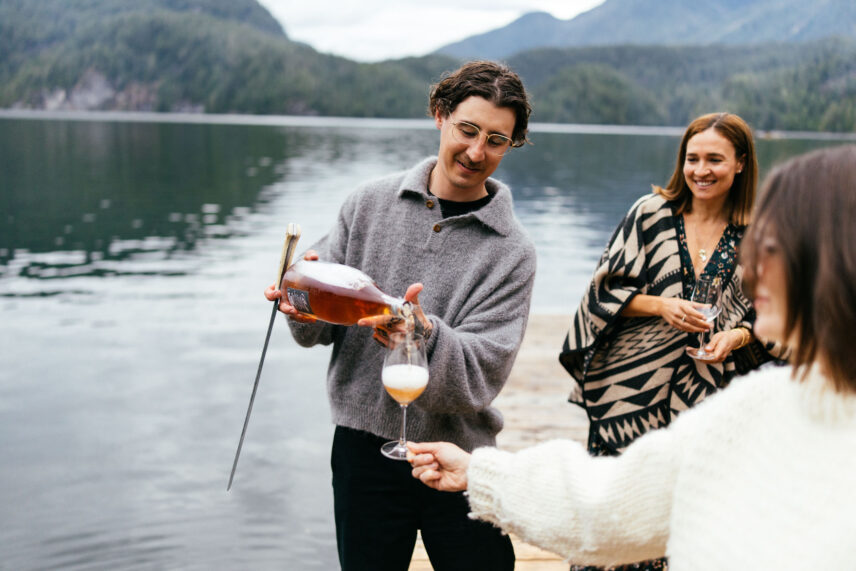
Wine Rooted in connection
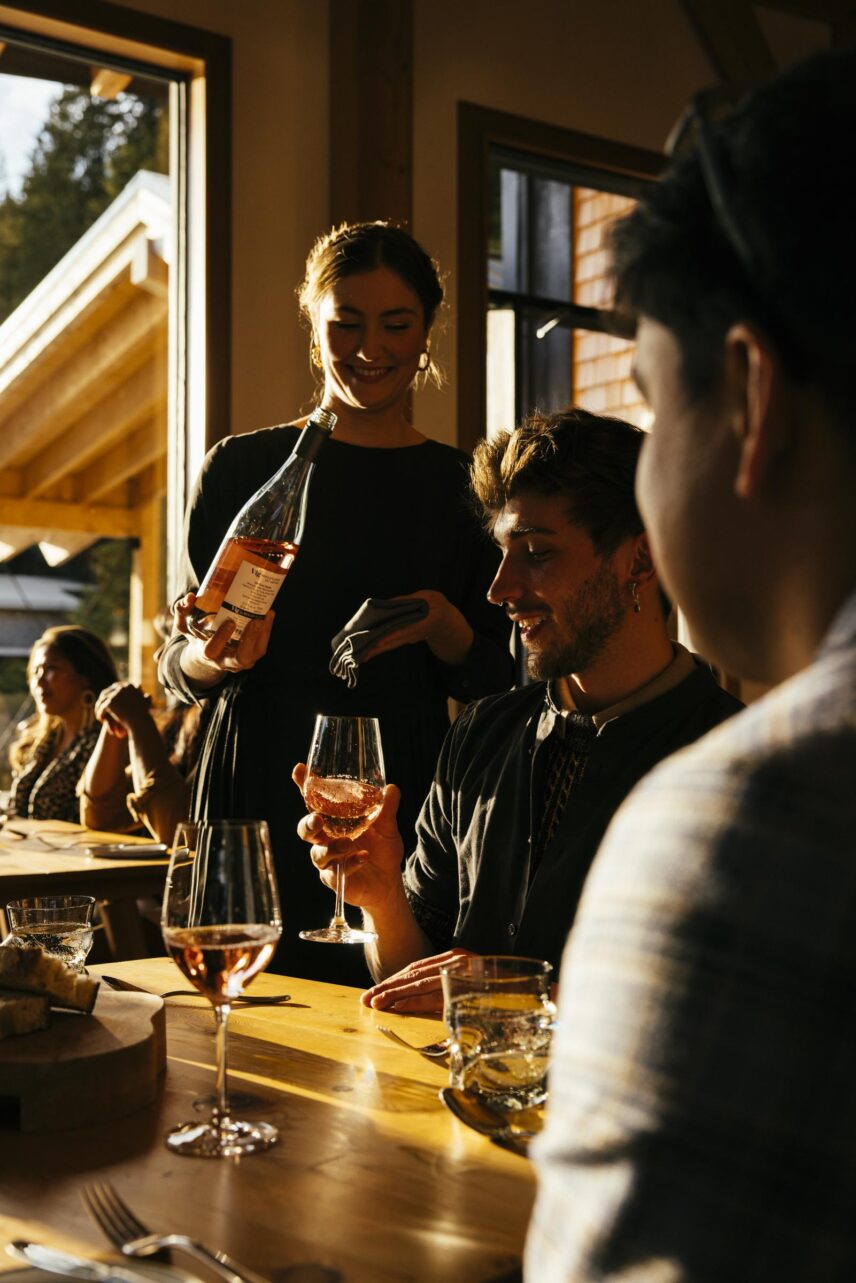
Forming meaningful connections is a throughline in everything we do at Nimmo, our ethos around wine is no different. Over her years at Nimmo Bay, our Sommelier Claire King spends time during the season visiting suppliers and vineyards. She travels to places like St. Katharina Vineyards in Summerland, and offers her time picking, bottling, and pruning when she’s there. This is the best way to truly connect to the end result that winds up in the glass. Throughout Claire’s travels from Vancouver Island to the Okanagan, she’s developed real friendships with these winemakers. To her, they’re never just a bottle on an inventory list.
That kind of hands-on care is what we look for in every bottle that goes on our wine list. This year, we asked Claire and Jacob Confurius to narrow down an updated selection of the wines that are closest to their hearts. This summer, they want to showcase their favourite vineyards and the people who put sustainability at the forefront of wine production.
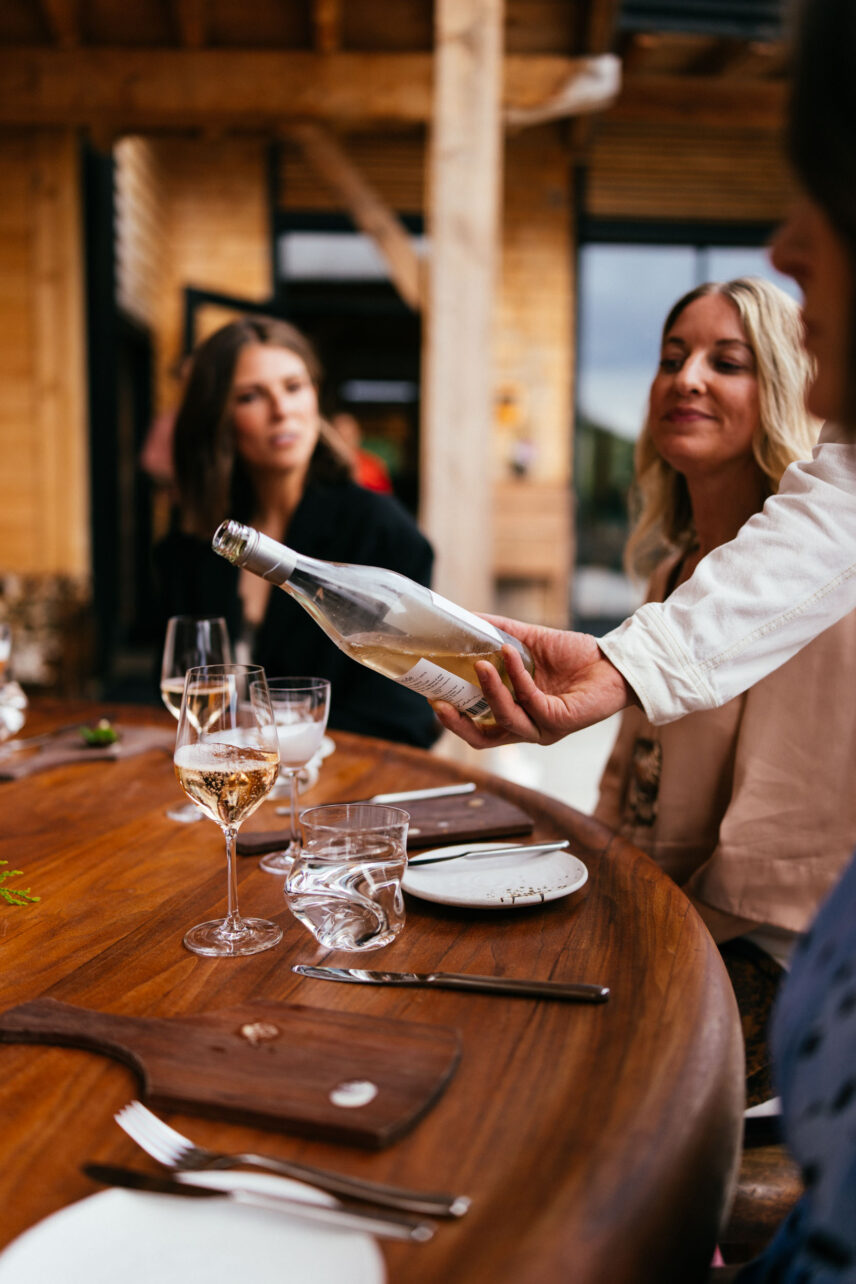
Meet the Somms
With a particular passion for wine, beverages, and the art of hospitality, Claire loves the details that turn a good experience into a memorable one. Whether she’s sharing a bottle, connecting with guests, curating a beautiful space, or bringing people together around a table, she finds endless joy in creating moments that feel thoughtful and genuine. At Nimmo, she’s lucky enough to bring all these passions together in one place.
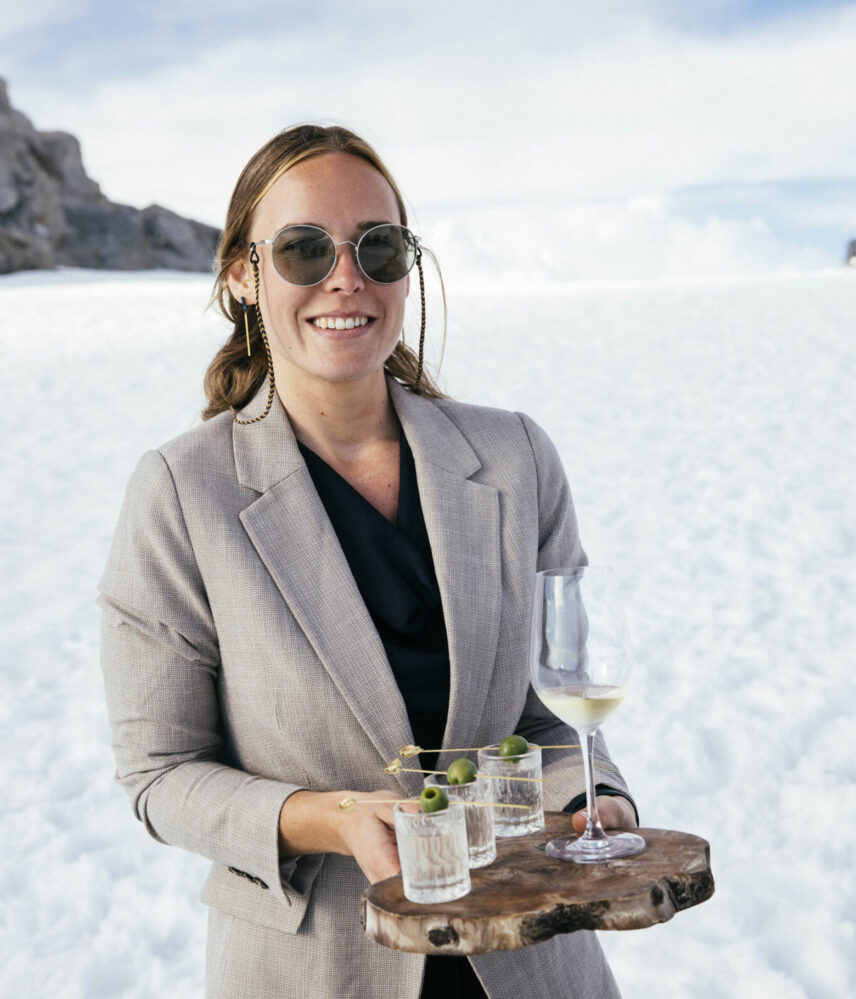
Jacob started out as chef once upon a time. Before the pandemic hit and shifted everyone’s worlds upside down, Nimmo Bay hired Jacob to work in the kitchen. However, because we shifted to a smaller team at that time, Jacob didn’t make it to the resort that season. Instead, he found his way into the world of wine. He got a position working for a winery, helping them open a tasting room. Over those few years, his education in wine grew exponentially, as did his passion. He felt that Nimmo could still be in the cards. We’re so grateful Jacob reapplied as part of the Front of House team.
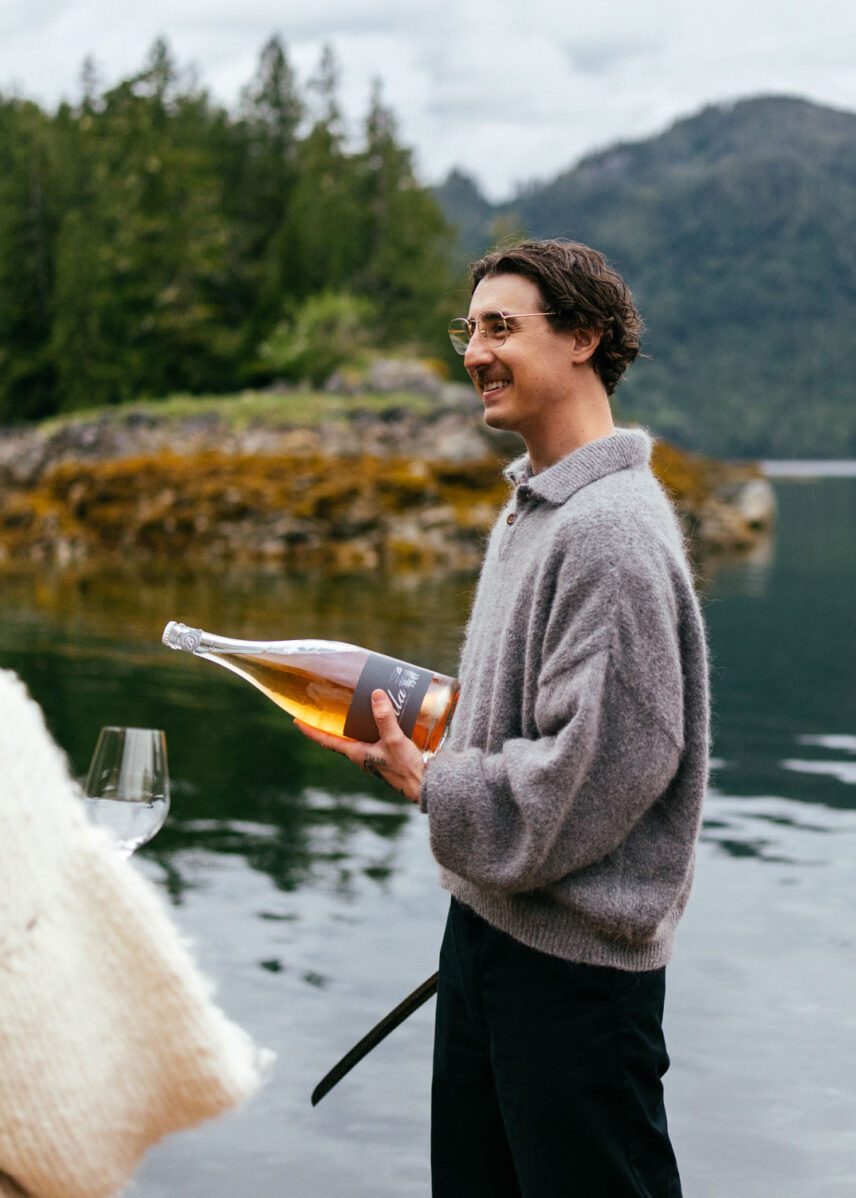
How Nimmo Chooses Wine
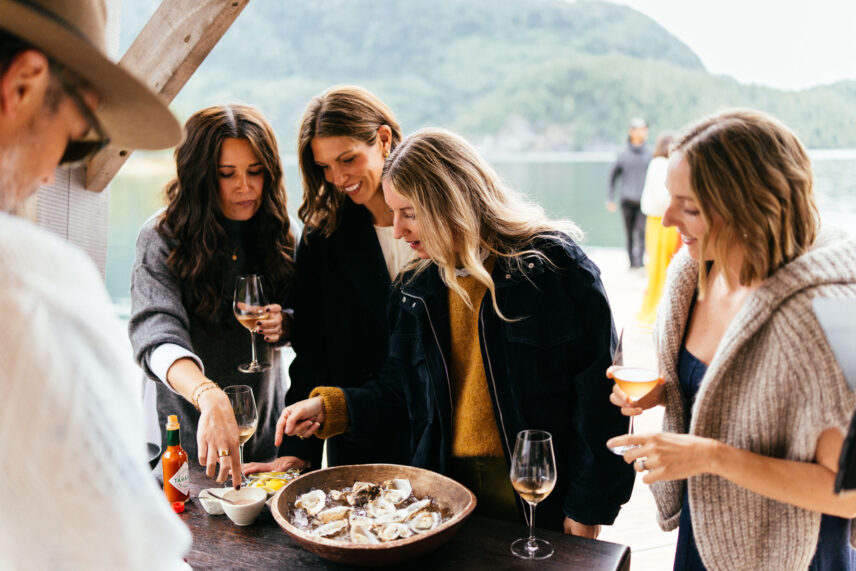
With so many beautiful wines in the world, selecting those that make it onto our small but thoughtfully curated list is no easy task. There are two main things that I consider; one, is it made thoughtfully and two, does it spark joy and have the potential to create memorable moments. There are so many wonderful producers, especially in BC, that take such care to farm in harmony with the land and craft wines with character. The ones that get a spot on the final Nimmo Bay list are expressive and full of vitality, joy, and rooted in a sense of place.
The Reserve Picks
Jacob’s Selection
Pascal Cotat La Grande Côte, Sancerre, 2023
Loire Valley, France
“I have always loved people with a bit of grit or edge to them. The Cotat brothers in Sancerre have exactly that and their parents had it before them. The few wines they produce are made unapologetically in a way that showcases the weather and land in harmony. Because of their approach to showcasing the vintage, they have been told on more than one occasion that they may not put the word “Sancerre” on their labels. They’re often considered too different from what the region normally produces.
The Cotat family has been making wine since just after World War II, growing on a unique band of limestone. Many have compared their wines to Grand Cru Chablis due to this. This unfined and unfiltered wine boasts intense minerality, and texture with a stunning acidity. It forces you to think of the place it was grown. Drink now or cellar for decades (you have much more patience than I if you can wait that long)”
CLAIRE’s Selection
Claire Naudin “Galanthus Nivalis” 2024 Domaine Naudin Ferrand
Magny-lès-Villers, in the Burgundy wine region of France
“Farmed organically (although deliberately uncertified) and made with a light but deft hand, Claire Naudin’s wines have a quiet purity that feels effortless. Her Fleurs series of wines get their names from the characteristic wildflower species that grow in their respective vineyards.
I must admit, I selfishly put this wine on the list at Nimmo Bay simply because I love talking about it, and, even more, tasting it. The first time I encountered this Burgundian Pinot Blanc, I stumbled into the perfect pairing by pure kismet. I asked a friend to pour me something they were excited about. Without knowing what they would choose, I ordered a simple bitter greens salad with a white anchovy vinaigrette and shaved pecorino. On first taste, I found ripe citrus balanced by a fine saline edge that gave the wine freshness and length. As I continued to sip, the savoury, salty notes of the vinaigrette and pecorino drew out beautiful flavours of golden apple and honeysuckle. The wine sang, and the food tasted brighter and fresher with every sip.
It’s always such fun discovering a pairing like this, especially when it’s with a wine that speaks to me the way Claire Naudin’s wines so often do.
This wine reminds me that the bottles that spark the most joy aren’t always the Grands Crus or the famous domains. More often, they’re the wines made with care and intention. Thoughtfully farmed grapes quietly earn their place and stay with me long after the glass is empty.”
Also Pouring this Year
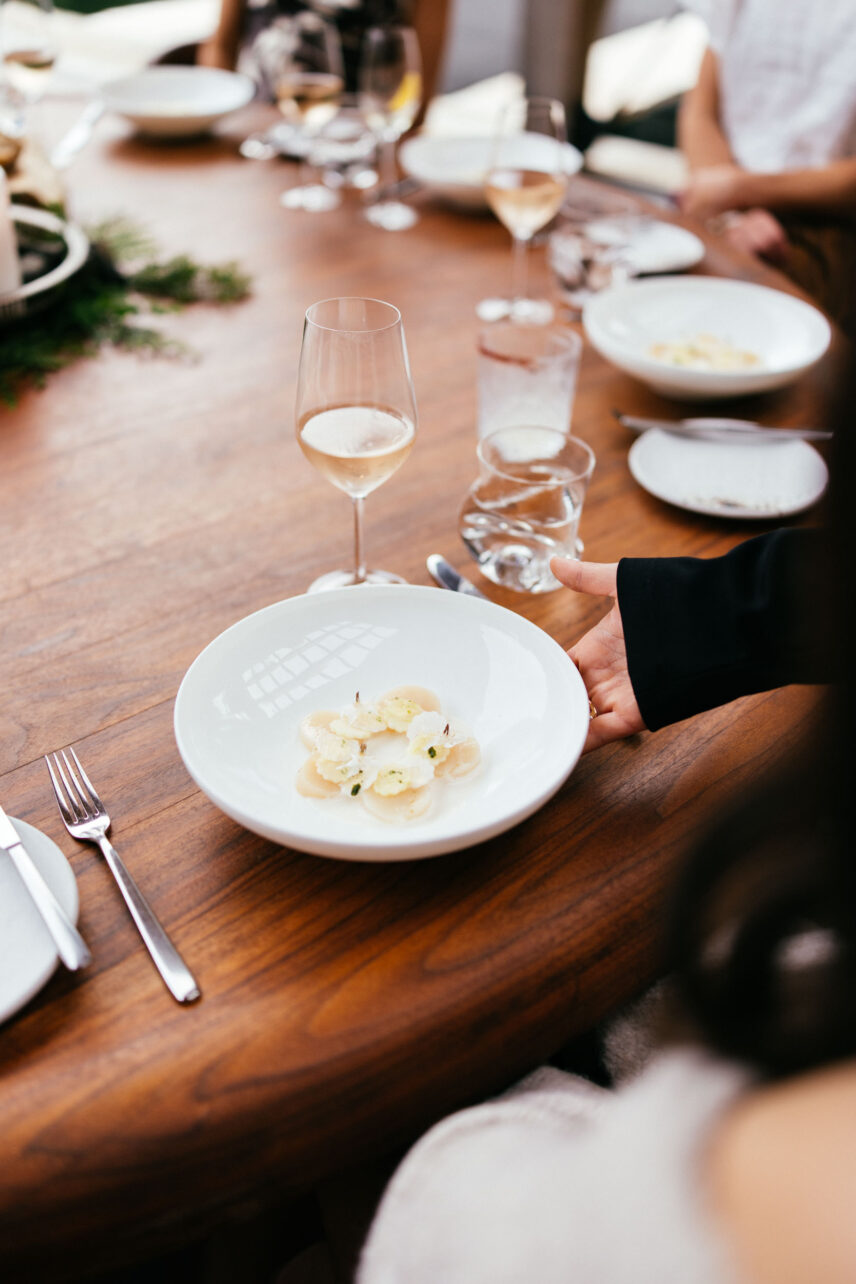
These are wines that showcase the beauty of British Columbia, as well as some thoughtful selections from around the world.
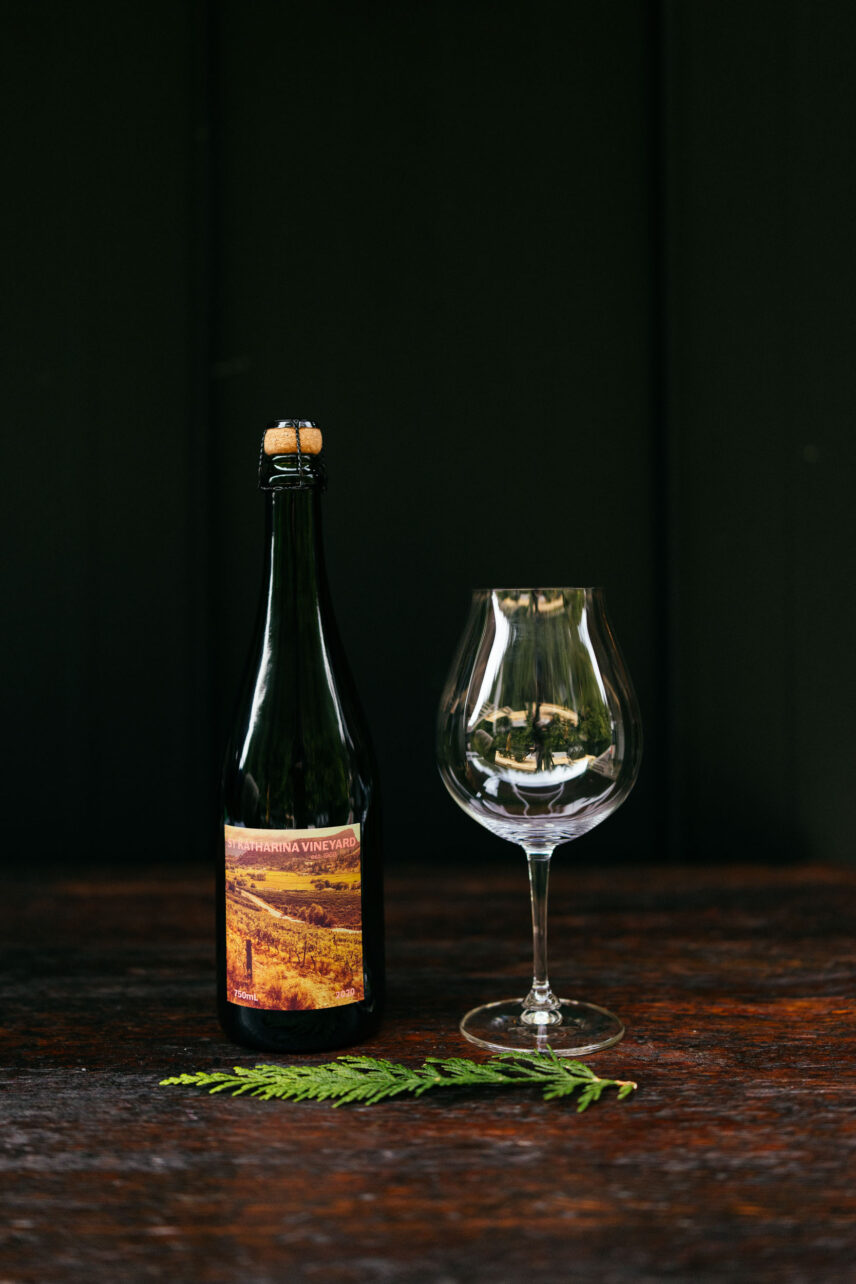
1. St Katharina Vineyards – Traditional Method Pinot Noir
Summerland, British Columbia
This will forever be one of my favourite wines to share with people. Made from a single block of beautiful old-vine Pinot Noir, this wine is a true expression of its place. Jordan and Tyler live at and care for this 2.5-acre property. They produce unique, small bunches of grapes that grow in parts quite wild and unruly. I had the pleasure—and challenge—of picking at the site last year, which gave me an even deeper appreciation for the care that goes into every bottle.
Jordan crafts this sparkling wine with great patience and care. It spends four years sur lie, giving it beautiful layers of buttery pastry, complemented by notes of lemon curd, baked apple, and honeysuckle, all brought into balance by a bright pop of acidity. We have carried the last three vintages (2018, 2019, and 2020) at Nimmo, and all three have been exemplary. Each year, I tuck a couple of bottles away, and I can’t wait to taste them as they continue to evolve and develop even more complexity with time.
2. Champagne Moussé – Eugène
Cuisles, France
I think Cédric Moussé is one of the most energetic and exciting winemakers to come out of Champagne. He has become a champion of the Pinot Meunier grape from his home village of Cuisles. There is an incredible layer of green clay that helps produce complex, rich expressions of Meunier.
Eugène, named after the man who founded the Champagne house more than 100 years ago, is a wine that makes me want to test the limits of how sparkling wine interacts with food. Silky and smooth, it offers notes of candied citrus peel, yellow plum, and orange blossom, balanced by vibrant acidity and a pleasantly bitter edge. The finish is long, textured, and satisfying.
3. Ursa Major “Love and Rage and Basketball”
Peachland, British Columbia
Rajen and Bree are making some truly singular wines at their beautiful property in the Similkameen Valley. This Chenin Blanc/Melon de Bourgogne co-ferment is no exception.
Made with organically farmed fruit from Peachland, this wine is available exclusively in 1.5L magnums and in very limited supply. Almost Vinho Verde in style, it has a light effervescence, vibrant acidity, and flavours of green apple and lime zest, with a hint of that classic Melon de Bourgogne flinty character.
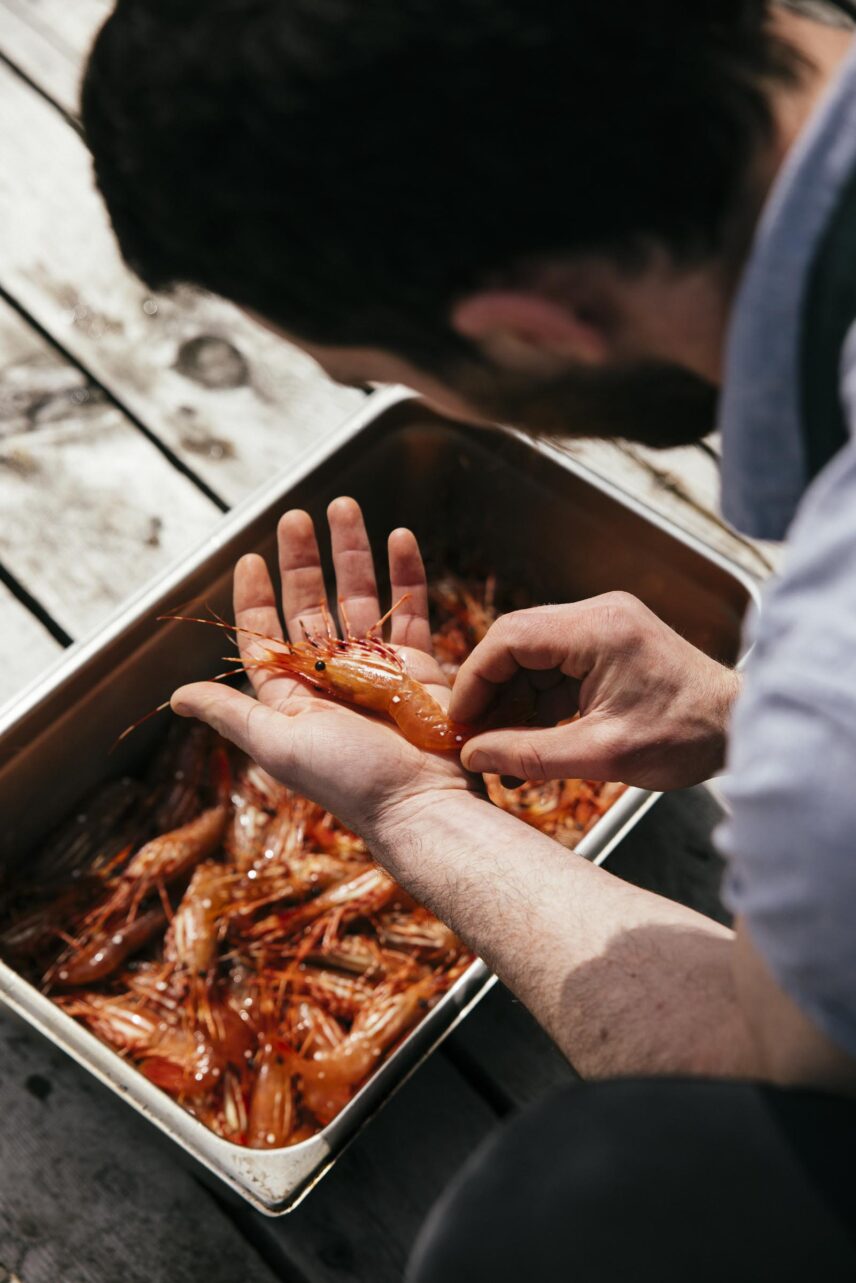
My favourite pairing with this wine so far has been with a dish showcasing our local, wonderfully sweet, spot prawns. The prawns are lightly poached and served chilled in a cucumber and green apple gazpacho. Simple, delicious, and oh-so-fresh, they really made the wine sing.
4. L-ST Projects Gamay
South Okanagan, British Columbia
This wine is becoming a fast favourite for our staff to pour. It also helps that the majority of the team is captivated by the winemaker, Alyssa, who hosted us for a staff tasting last fall. Alyssa has a knack for discussing her winemaking in a way that is both extremely detailed and educational, while still remaining down-to-earth and approachable.
This 2025 release is another beautiful example of how great BC Gamay can be. The grapes are from the Secrest Vineyard in Oliver. Fresh, chilled raspberries and blueberries jump out on the palate, with a touch of cocoa and fine, silky tannins. This wine is joyful, tangy, and tantalizing!
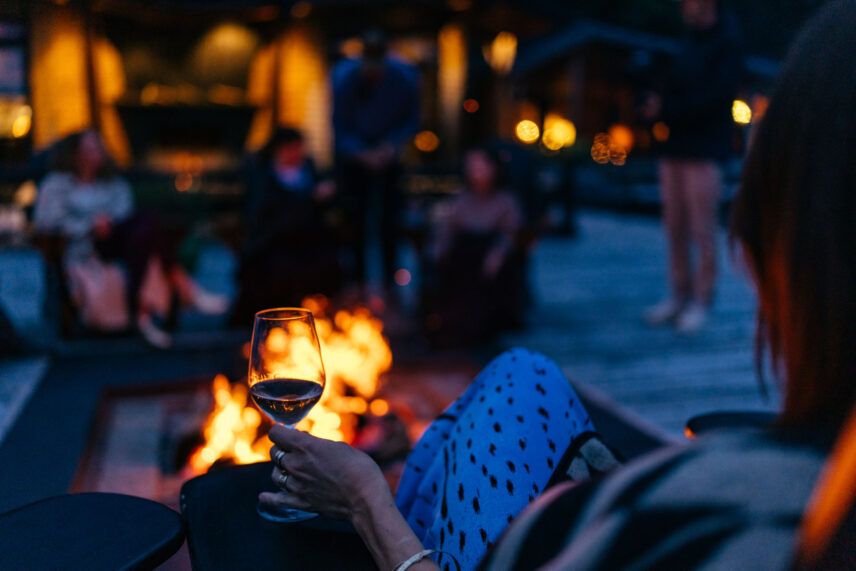
5. Grape Republic Anfora Rosso
Yamagata Prefecture, Japan
With this wine, I’m having so much fun exploring pairings. It’s incredible how it plays with dishes that would traditionally be quite challenging to pair with wine. Hailing from Shinden, Yamagata, Japan, it is a blend of Merlot and unique hybrid grapes such as Steuben and Neo Muscat. It offers bright notes of cranberry, sour cherry, and raspberry, combined with earthy undertones that bring complexity and balance to this light red wine. Time spent in amphora gives the wine beautiful texture and structure.
My favourite pairing to date has been with a delicious pasta dish created by our chefs. It features mushroom and ricotta-stuffed cavatelli with pickled local mushrooms in a simple chicken consommé, finished with a drizzle of bull kelp oil.
What Sustainable Winemaking Looks Like?
When we talk about sustainability within the wine industry, everything stems from having a deep respect for nature. These are some of the practices the wineries we featured employ.
Biodynamic Farming
- Treating the entire vineyard as a self-sustaining system. Focusing on vineyard ecology, natural cycles, and soil health.
- The cycles of root (prune), fruit (harvest), leaf (watering), and flower (rest), are determined by the biodynamic calendar, aligning farming practices with the phases of the lunar cycle.
- Limiting synthetic additives and chemicals and focus on composting. Cultivate grapes without pesticides, fungicides, herbicides, synthetic fertilizers or growth stimulants, and often meet or exceed standards and regulations for organic farming.
Organic Farming
- Cultivates and crafts wine through the most natural and ecologically mindful methods with minimal intervention.
- 100% organic grapes use no toxic pesticides, herbicides or synthetic fertilizers. Without relying on synthetics, farmers must tune into soil health and biodiversity on the vineyard. Compost and manure become fertilizer and they plant cover crops to protect the soil, prevent erosion, add nutrients – not for harvesting.
- They let animals like chicken’s graze through the vines as pest control. Sheep wander the fields and graze on the weeds. All the animals also contribute by naturally fertilizing the soil.
- Avoiding artificial flavours, colours, and synthetic preservatives.
Native Yeast Fermentation
- Using Native Yeasts during fermentation instead of commercialized yeast strains.
- These wild strands of yeast grow naturally on the grape skins or within the vineyard. Wine makers say fermenting this way can create more complexity and depth. This emphasizes terroir, a term used often in wine, meaning how it encompasses a specific regions climate, soils, and terrain. Wines with high terroir have a true sense of place, uniqueness, and story.
- Using solar or geothermal energy to power the vineyards operations.
- Designing wineries that maximize energy efficiency. Like using natural light to reduce electricity usage and building with high insulation materials for temperature control.
- Reducing waste in packaging.
- Rehabilitating and revitalizing abandoned farmlands, to improve soil health and boost local biodiversity.
- Aiming for zero carbon emissions in the future.
WINE IN THE WILD
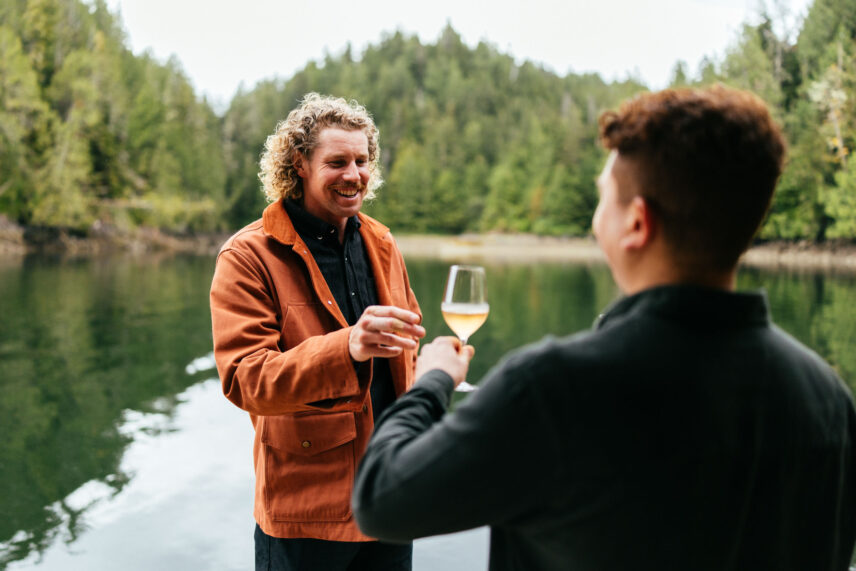
If you’re looking for a wine experience unlike any other and to taste some of these special offerings at Nimmo Bay, we have the Wine in the Wild enhancement. Where our Sommeliers, like Claire, will take you to a beautiful location and partake in a tasting.
Credit
Wine Features Written by: Claire King and Jacob Confurius

Words by: Alexandra Janes
Alexandra Janes is a writer and marketer based in British Columbia, Canada and is the voice behind many Nimmo Bay stories. With a background in environmental communications, she specializes in bringing complex ideas to life in a way that resonates with a broad audience. Over the past seven years, including four at Nimmo, her writing has focused on sustainability, wellness, food and drink, and immersive experiences in wild places. The root of her work comes from a deep passion for the natural world and a desire to connect people with the outdoors.

Photos: Jeremy Koreski
Jeremy Koreski is an assignment photographer known for capturing world-class outdoor adventures and remarkable wildlife. He has over 20 years of experience in the field. His commercial and editorial work is featured internationally in publications such as The New York Times, The Surfer’s Journal, and with brands like Patagonia and YETI. Since his first visit to Nimmo Bay over a decade ago, Jeremy has felt like part of the family, developing a distinct ability to capture the true spirit and atmosphere of the resort.