What Is Corporate Social Responsibility in Hospitality?
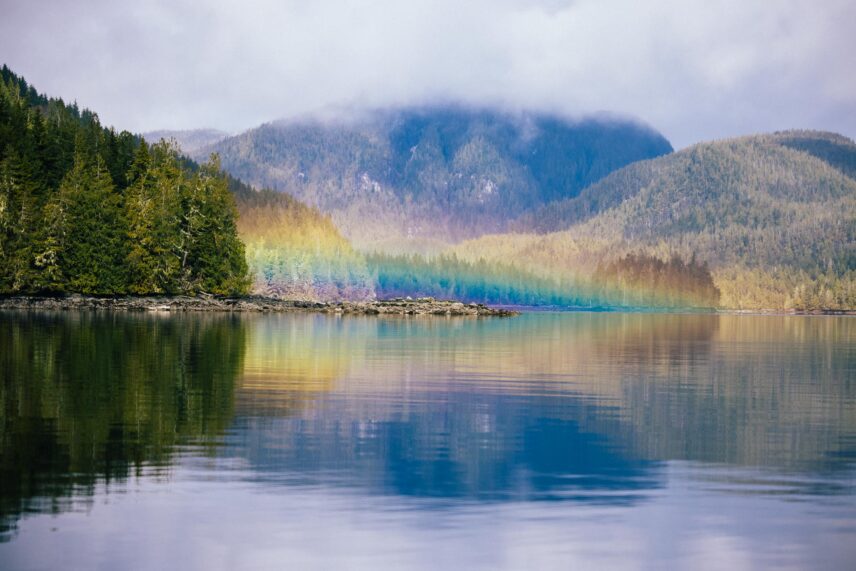
At Nimmo, we hold ourselves to a higher standard of accountability. We want to make a positive impact both within and outside the walls of the resort. Corporate Social Responsibility is a way for companies to integrate social, ethical, and environmental concerns into their daily operations. It’s not simply a way to better the local community and land where you operate. Prioritizing those arms of your business positively impacts companies from within.
Why it matters more in remote, nature-based destinations
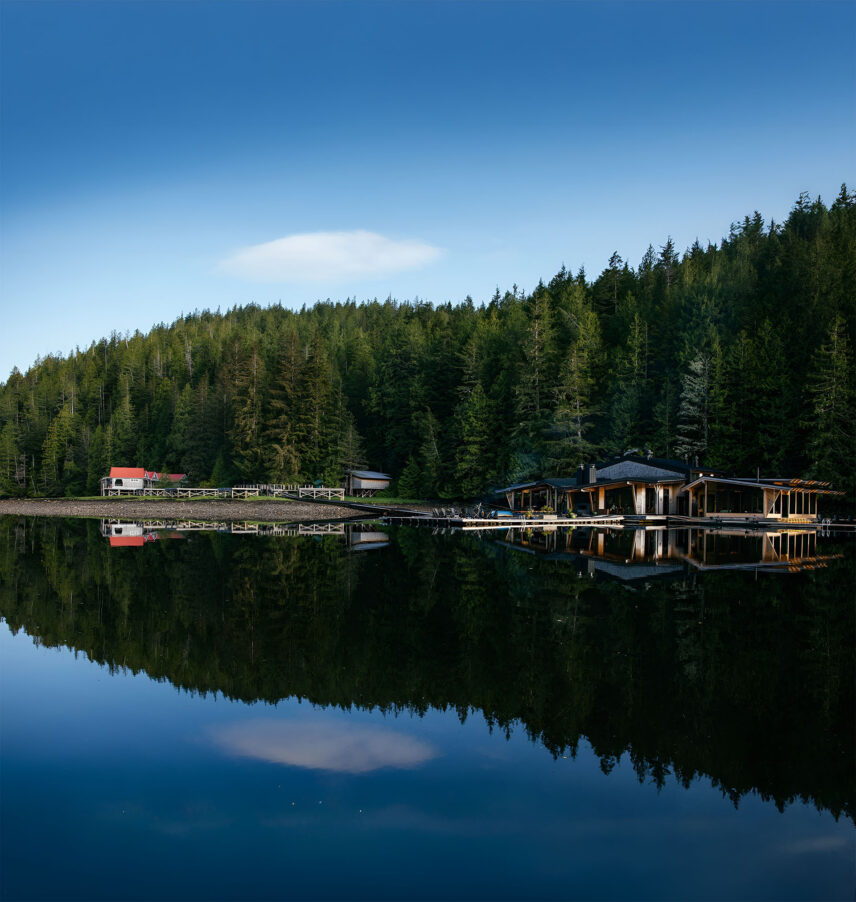
Nimmo Bay exists in the Great Bear Rainforest, a 6.4-million-hectare ecosystem on the coast of British Columbia. It’s an immense privilege to operate a resort in this sensitive and protected ecosystem. The uninterrupted swaths of old growth trees, rich soil, and wetlands make it an important carbon sink, absorbing excess CO2 from the atmosphere. The GBR is home to vast numbers of animal and plant species, including 20% of the world’s wild salmon populations. The region suffered in the past from extractive logging, but is rebuilding, through programs like Indigenous stewardship and sustainable tourism. Keeping watch over this special ecosystem and sharing its rich cultural history is paramount to the success of the remote communities in the area.
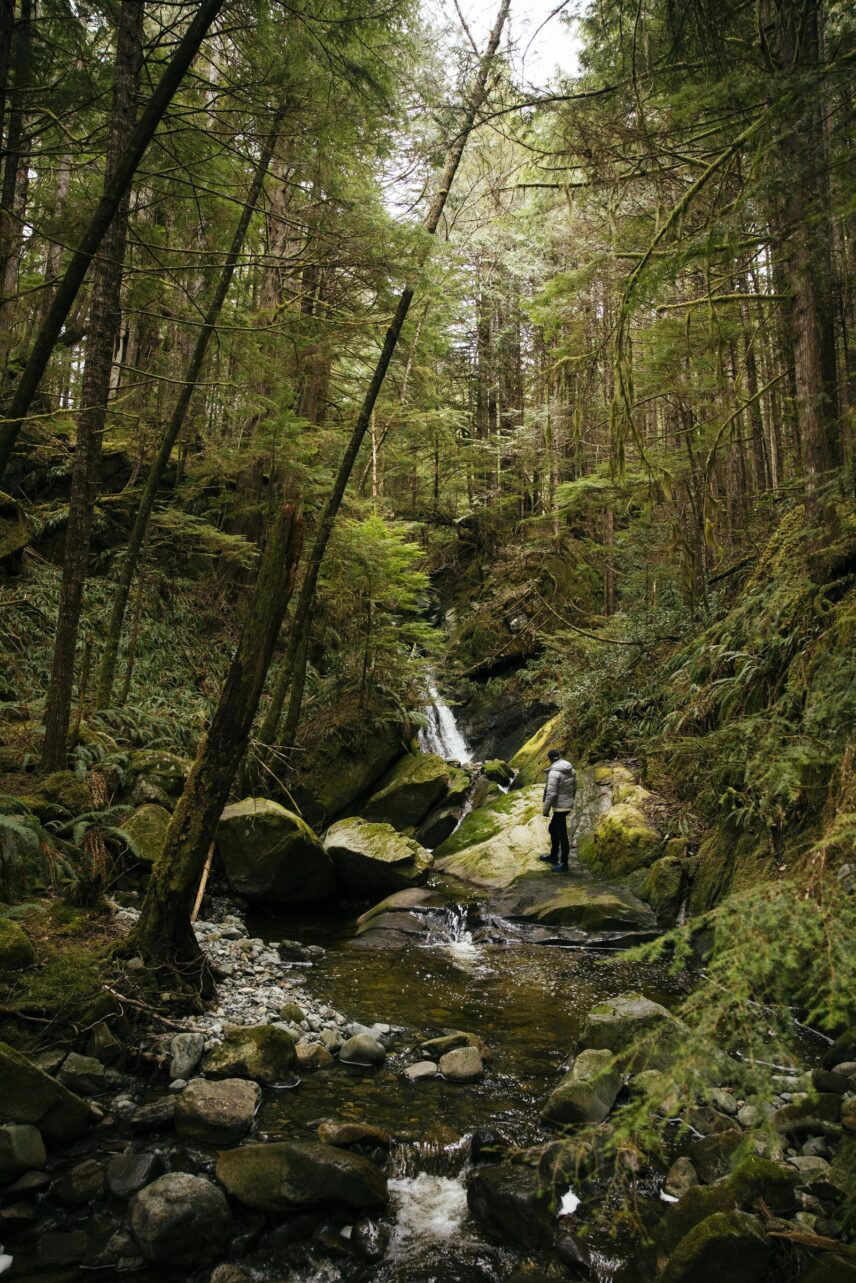
This is a small, tight knit community that exists in and around the GBR. We must work together to strengthen local resilience, as most people rely on each other for support. Access to external assistance isn’t as easily available as it is urban environments. The natural and cultural resources of Vancouver Island are essential to the community and the economy as well.
Because of this, it’s not enough to just exist in harmony in this space. Nimmo Bay will actively strive to improve it.
A Remote Eco-Lodge with Responsibility at Its Core
So, what makes Nimmo Bay a sustainable and responsible eco-lodge?
Nimmo’s Eco-Practices
Low-impact operations
- Nimmo Bay aims to have as little impact on the surrounding environment as possible.
- The resort is ½ floating, meaning there is significantly less need to remove trees or clear space for new buildings.
- Nimmo’s building materials are sourced as locally as possible. Wherever permitted, we opt to use sustainable, recycled, and biodegradable building materials.
Energy and resource management
- At Nimmo, a Pelton wheel powers a hydroelectric plant, providing clean, renewable energy to the resort for about 85% of the year.
- Nimmo Bay has eliminated single-use plastics across the property.
- All products in the cabins are in refillable containers, minimizing waste and packaging.
- Wherever possible, products used at Nimmo are sourced from BC companies.
Respect for surrounding ecosystems
- All the water that Nimmo uses throughout the resort gets cycled back into the environment. An advanced waste treatment system is used to ensure wastewater is filtered and treated thoroughly before re-entering the ecosystem.
- Nimmo Bay is committed to thoroughly sorting our recycling, garbage, and organic compost.
Supporting Community Through Meaningful Partnerships
Corporate Social Responsibility goes beyond the walls of the resort as well. Nimmo Bay partners with select members of the community who take on environmental and social responsibility as core principles. These are some of the organizations that Nimmo Bay works with in the local community.
Power to Be
Power to Be works to remove barriers and invites people to explore what’s possible in nature. They believe everyone belongs in nature. Nimmo Bay shares that vision and has been a long-time supporter of Power to Be. As a Victoria, BC-based charity, they provide access to nature for youth, adults, and families living with cognitive, physical, financial, and social barriers. Through support from community members like Nimmo Bay, they have been able to provide access to the healing powers of nature to thousands of participants. Power to Be hosts an annual auction and it’s one of the yearly trip donations that Nimmo Bay sets aside.

Upper Island Counselling
Established in 1987, Upper Island Counselling is a community-based employee family assistance program. They partner with local community organizations to ensure employee and workplace wellness needs are met. Upper Island Counselling believes that by supporting healthy, thriving employees, it leads to thriving organizations and communities. Nimmo Bay offers an Employee and Family Assistance Program to all team and their family members. This is a critical investment for Nimmo. Having a strong mental health strategy and focusing on employee well-being, ultimately creates a healthier and more productive workplace.

Wilderness Tourism Association
The Wilderness Tourism Association of British Columbia (WTA) is non-profit organization whose mission is to ensure a sustainable future for BC’s wilderness tourism industry. They do so through leadership, advocacy, stewardship, education and marketing. The WTA is an organization where hotels, resorts, and adventure companies voluntarily sign up to be members and leaders in the eco-tourism industry. Members have their own unique takes on light environment footprints, prioritizing ethical wildlife viewing, and cultural education. Nimmo Bay has been a member of the WTA since their inception. As we work in a highly diverse and sensitive ecosystem, it’s imperative that Nimmo supports the long-term adventure travel industry in BC.
NIMMSA
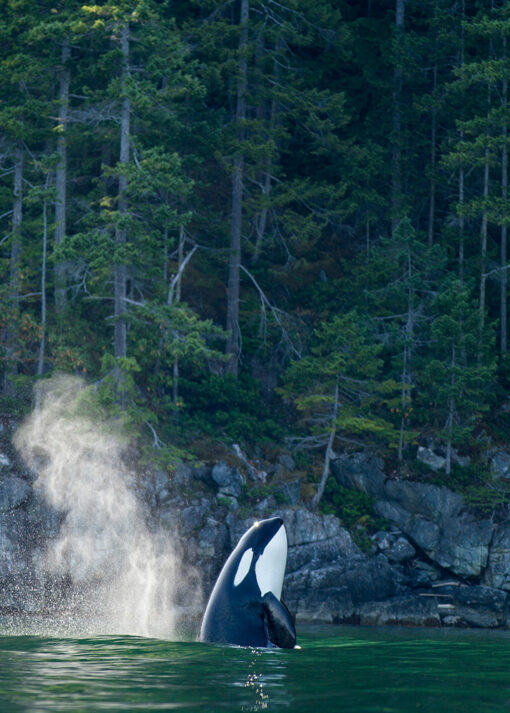
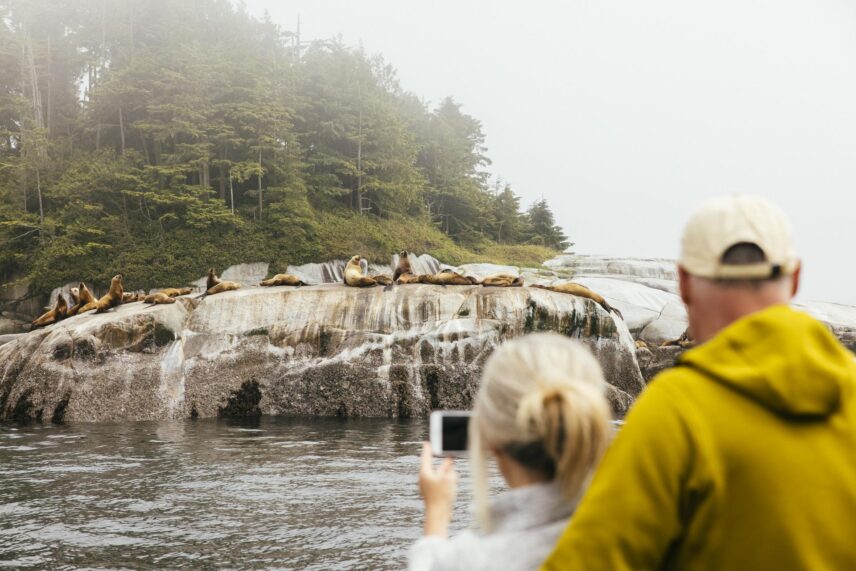
As a long-standing member of the North Island Marine Mammal Stewardship Association (NIMMSA), Nimmo Bay is part of a collective commitment to protect the coastal waters of British Columbia. Established in 2007 by a group of North Island marine tourism operators, NIMMSA brings together over 30 organizations with a shared vision of balancing human activity with the health of the marine environment. Through this partnership, Nimmo actively upholds a strict code of conduct of responsible wildlife viewing practices and ongoing stewardship efforts that support both the ecosystem and the local economy.
The Guest’s Role in Responsible Travel
Choosing to visit destinations that prioritize community and environmental stewardship is a meaningful way to travel responsibly. Where you spend your money shapes the future of the industry. A stay at Nimmo Bay Wilderness Resort helps support businesses across Vancouver Island. You’re contributing to the ongoing efforts of organizations dedicated to wildlife protection, sustainable tourism, and environmental care.
Another simple yet impactful way to contribute is by sharing your experience. Writing thoughtful reviews about places that operate ethically helps guide others toward more responsible travel choices. You’ll be creating a ripple effect that extends well beyond your own journey.
Social Responsibility FAQ
-
What is corporate social responsibility in tourism?
Corporate Social Responsibility is a way for tourism companies to integrate social, ethical, and environmental concerns into their daily operations.
-
How does Nimmo Bay support the local community?
Nimmo Bay partners with non-profit organizations across British Columbia to support sensitive wildlife and ecosystems, longevity in the tourism industry, team wellbeing, and the Vancouver Island community. From committing to following strict wildlife viewing practices and guidelines to donating trips and products that contribute to fundraising efforts.
-
What makes an eco-lodge sustainable?
Nimmo Bay prioritizes environmental sustainability, supporting the local Vancouver Island community, and operates with minimal impact in the Great Bear Rainforest.
-
Why are partnerships with non-profits important?
Nimmo Bay operates in a remote region of British Columbia. Partnering with non-profits in the area is important for building a resilient community and network, attracting socially and environmentally conscious guests, building pride in our brand, and because we want to make a genuine difference.
Credit

Words by: Alexandra Janes
Alexandra Janes is a writer and marketer based in British Columbia, Canada and is the voice behind many Nimmo Bay stories. With a background in environmental communications, she specializes in bringing complex ideas to life in a way that resonates with a broad audience. Over the past seven years, including four at Nimmo, her writing has focused on sustainability, wellness, food and drink, and immersive experiences in wild places. The root of her work comes from a deep passion for the natural world and a desire to connect people with the outdoors.

Photos: Jeremy Koreski
Jeremy Koreski is an assignment photographer known for capturing world-class outdoor adventures and remarkable wildlife. He has over 20 years of experience in the field. His commercial and editorial work is featured internationally in publications such as The New York Times, The Surfer’s Journal, and with brands like Patagonia and YETI. Since his first visit to Nimmo Bay over a decade ago, Jeremy has felt like part of the family, developing a distinct ability to capture the true spirit and atmosphere of the resort.